If you want a home that feels current from the street to the floorplan, Glenorchy is one of the clearest examples of newer Oakville living. For many buyers, that matters because a newer community can offer a different day-to-day experience than an established area with older housing stock. In this guide, you’ll get a practical look at what Glenorchy is, how it fits into North Oakville, and what to expect if you’re considering a move here. Let’s dive in.
Where Glenorchy Fits in Oakville
Glenorchy is part of North Oakville East, one of Oakville’s official secondary-plan areas. Town planning materials place North Oakville’s newer communities north of Dundas Street and south of Highway 407, between Ninth Line and Tremaine Road.
Within that planning framework, Glenorchy is described alongside Joshua’s Meadows as part of North Oakville East’s residential community pattern. The area is still evolving, with new residential subdivisions, open space, and some remaining agricultural lands all part of the broader landscape.
That is an important point if you are comparing Glenorchy with more established parts of Oakville. This is not a legacy neighbourhood that reached full maturity decades ago. It is a planned community that has been building out in phases and is still taking shape.
What Modern Living Means Here
In Glenorchy, modern living is not just about newer finishes. It is also about how the neighbourhood was planned from the start, including housing variety, green space, trails, transit connections, and walkable neighbourhood centres.
Oakville’s planning materials describe north Oakville’s new communities as places designed with public transit, cycleways, sidewalks, schools, shops, sports fields, and commercial areas in mind. The Town also states that neighbourhood centres are intended to be about a five-minute walk from most homes.
For you as a buyer, that means Glenorchy tends to appeal to people who want a more recent version of suburban living. The layout, streetscape, and amenities reflect current planning priorities rather than older subdivision patterns.
Housing Types in Glenorchy
One of Glenorchy’s biggest strengths is its range of housing forms. This is not a one-note detached-home neighbourhood.
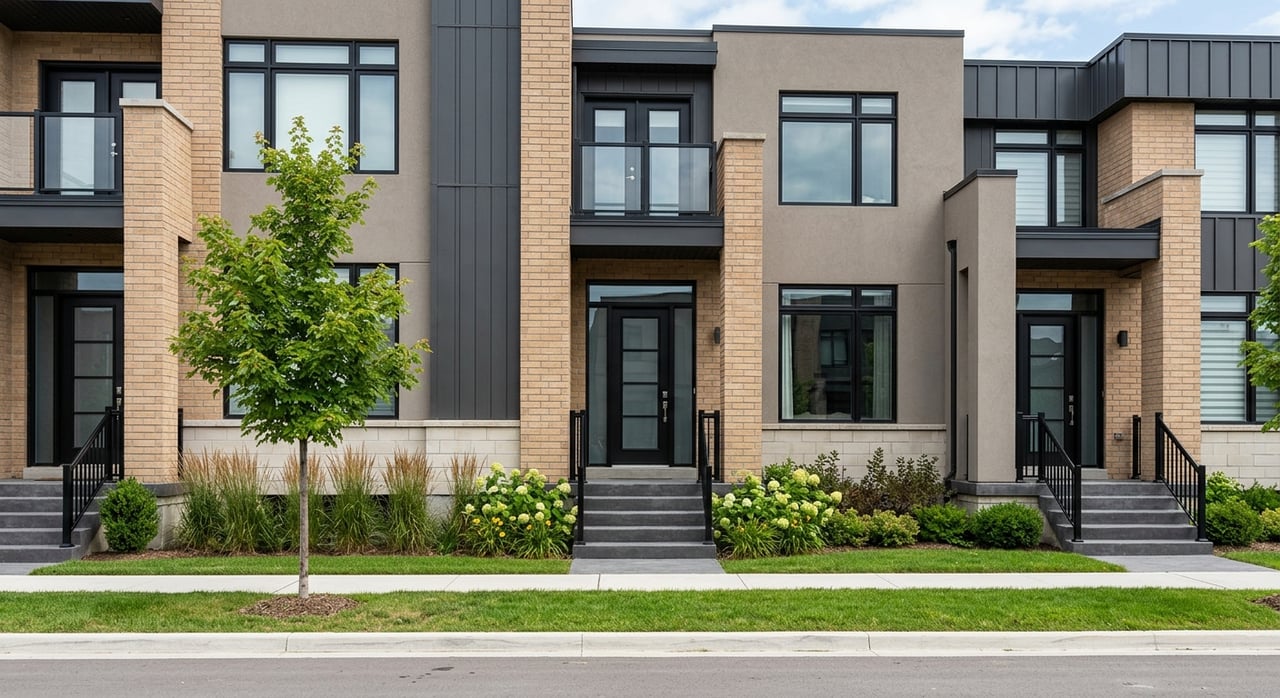
Town planning maps identify a mix that includes single-detached homes at two storeys, street townhouses at three storeys, rear-lane townhouses at three storeys, low-rise residential at two to three storeys, high-density residential up to 10 storeys, and neighbourhood centres up to six storeys. The plan also includes a village square and employment lands.
That broader mix gives the area flexibility across different life stages. Oakville’s New Communities materials say varied lot sizes and home styles are intended so residents can stay in the same neighbourhood through different phases of life.
What Buyers Often Notice
If you tour Glenorchy, you will likely notice a more compact modern layout than in older parts of Oakville. Representative North Oakville East design documents show detached lots at 9.15 metres and 11.6 metres, street townhouses at 7.01 metres, and lane-based townhouses at 6.05 metres.
These numbers are best understood as representative of newer North Oakville development, not a fixed rule for every property in Glenorchy. Still, they help explain why the area often feels more efficient and urban-suburban in character than older neighbourhoods with wider lots and deeper setbacks.
Newer Homes and Newer Systems
A big part of Glenorchy’s appeal is home age. In practical terms, the area reads as a 2010s-to-2020s new-build community rather than a neighbourhood dominated by older housing stock.
That matters because Oakville’s Home Energy Retrofit Feasibility Study found that 87% of Oakville homes were built before 2012, which is the year Ontario’s building code required energy-efficiency standards. In other words, Glenorchy often offers a newer-code alternative to the much older townwide housing baseline.
Natural Resources Canada notes that energy-efficient new homes typically include higher insulation levels, tighter construction, more efficient heating and cooling systems, and better windows and doors. For you, that can mean more consistent indoor comfort and potentially lower maintenance demands on major systems, although actual performance still depends on the builder, model, and upgrades.
Why This Can Matter Day to Day
When buyers compare a newer home with an older resale property, the difference is often about more than style. Mechanical systems, building envelope, and general wear can all affect your day-to-day ownership experience.
Some newer homes may also include third-party ratings such as EnerGuide or ENERGY STAR. Natural Resources Canada says ENERGY STAR certified homes are generally about 20% more energy-efficient than a typical new house.
Parks, Trails, and Green Space
Glenorchy’s setting is a major part of its identity. Oakville says north Oakville’s new communities include an extensive trail network, bike paths, and green space, with more than 900 hectares of Natural Heritage System land preserved across north Oakville.
The Town also says the area will include trails, cycleways, sidewalks, four community parks, and 10 neighbourhood parks. That planned green framework is one of the reasons Glenorchy feels different from a purely built-out suburban subdivision.
Glenorchy Conservation Area
A key natural feature in the area is the Glenorchy Conservation Area. Conservation Halton describes it as a 401-hectare property that protects the Sixteen Mile Creek gorge, forested slopes, headwater creeks, wetlands, and shale bluffs.
It was established in 2008, and the fact sheet notes that it was not yet open to the public at the time of publication. For buyers, that is useful context. The benefit here is the surrounding natural setting and long-term environmental framework, not necessarily a fully urbanized park experience today.
Palermo Park Connection
Palermo Park adds another layer to the area’s outdoor appeal. Oakville identifies it as a 7.46-hectare community park in north Oakville that will eventually connect to Glenorchy Conservation Area.
Phase one already includes softball diamonds, parking, landscaping, walking trails, and a temporary leash-free zone. As the broader area continues to develop, these links help shape the community’s long-term livability.
Transit and Everyday Connectivity
For a newer suburban community, transit connections are an important part of the picture. Oakville Transit introduced Route 37 Glenorchy on September 1, 2024.
The route serves north Oakville seven days a week, connects with Uptown Core Terminal, and links with Route 5 at Dundas Street and Neyagawa Boulevard. Ride On-Demand North Oakville is also available in the area.
If you want options beyond driving for every trip, that planned transit layer is worth noting. It reflects the way newer north Oakville communities were designed with multiple transportation modes in mind.
Glenorchy vs Established Oakville Areas
When buyers weigh Glenorchy against older Oakville neighbourhoods, the decision often comes down to priorities rather than a simple better-or-worse choice. Each offers a different kind of value.
Established Oakville areas often provide larger lots, older trees, and a more mature streetscape. Glenorchy, by contrast, offers newer planning, a wider mix of housing forms, integrated green space, and a transit-and-trails framework that was built into the community concept from the start.
If you prefer move-in-ready living, newer construction patterns, and a community that reflects current planning ideas, Glenorchy may feel like a strong fit. If your priority is a mature lot and an older established setting, other parts of Oakville may appeal more.
Who Glenorchy Often Suits
Because of its housing mix, Glenorchy can work for more than one type of buyer. The right fit usually depends on what stage you are in and how you want to live.
First-Time Buyers
Townhomes, rear-lane townhomes, and some lower-rise or apartment forms may offer the most accessible entry points in the area. If you want a newer home and lower-maintenance lifestyle, these property types are often where your search begins.
Move-Up Buyers
If you need more space, detached homes are part of the mix as well. Just keep in mind that these are typically modern lots in a newer-planned community, not the extra-wide and extra-deep lots more common in older Oakville subdivisions.
Buyers Who Value Newer Planning
Some buyers care less about lot size and more about overall neighbourhood function. If you like the idea of sidewalks, trails, parks, transit options, and a planned community structure, Glenorchy stands out for that reason.
What to Expect During Build-Out
One of the most important practical takeaways is that Glenorchy is still evolving. Oakville notes that residential areas in north Oakville are built in phases over roughly 20 years, and that a subdivision can take five to seven years to fully build out.
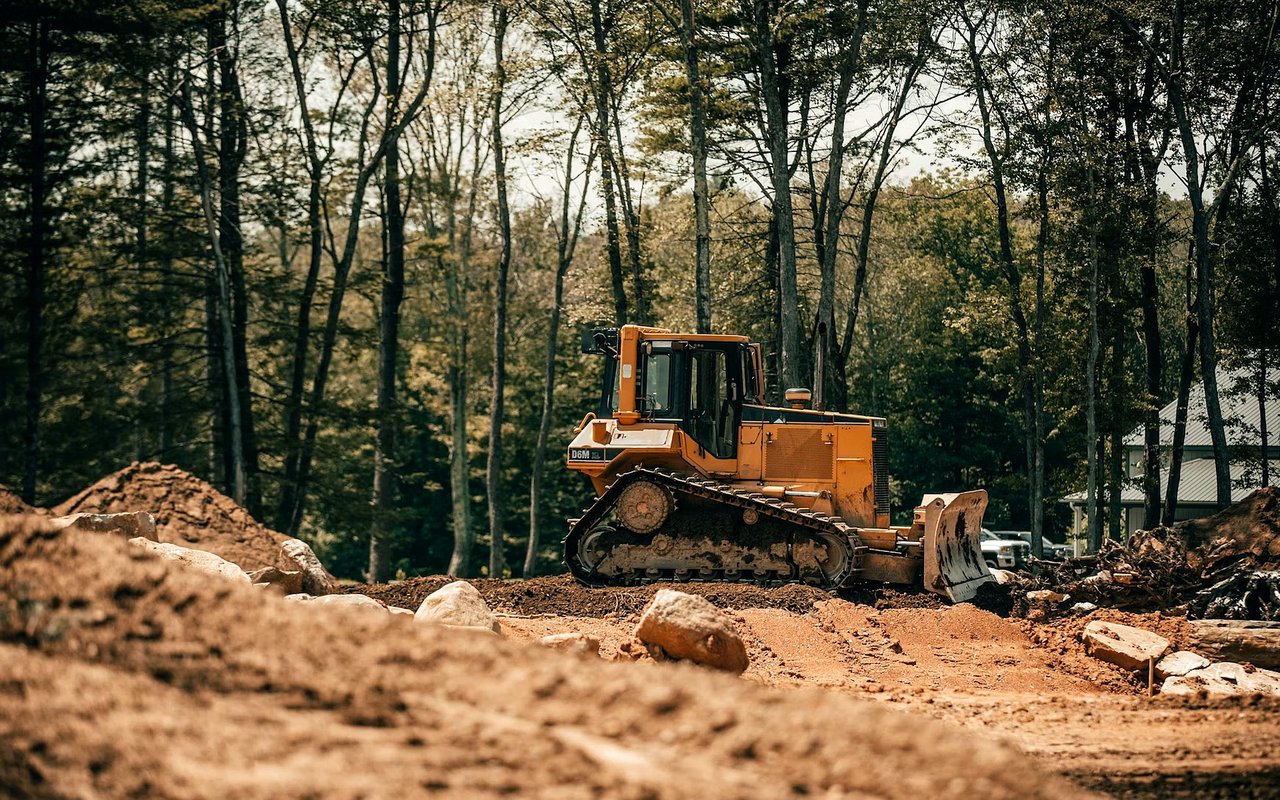
So if you are buying here, it is smart to expect some signs of an active new-subdivision environment. That can include ongoing construction, phased landscaping, and future trail or park connections that may arrive over time rather than all at once.
For many buyers, that is a fair trade for newer housing and a modern community plan. The key is simply going in with clear expectations.
Why Glenorchy Stands Out
Glenorchy stands out because it captures what many buyers mean when they say they want a newer Oakville lifestyle. You get a community that was planned around housing choice, green space, connectivity, and long-term growth rather than one that evolved piece by piece over several decades.
That does not make it the right fit for everyone. But if you are looking for a newer home, a more current streetscape, and a neighbourhood that is still growing into its full vision, Glenorchy deserves a close look.
If you want help comparing Glenorchy with other Oakville and Burlington-area options, the Josh Bernard Team offers thoughtful, local guidance for buyers at every stage.
FAQs
What is Glenorchy in Oakville?
- Glenorchy is part of North Oakville East, one of Oakville’s official secondary-plan areas, and it represents a newer, still-evolving residential community in north Oakville.
What types of homes are available in Glenorchy?
- Glenorchy includes a mix of single-detached homes, street townhouses, rear-lane townhouses, low-rise residential buildings, higher-density residential blocks, and neighbourhood centre uses.
Are Glenorchy homes newer than most Oakville homes?
- In general, yes. Glenorchy reads as a 2010s-to-2020s new-build area, while Oakville’s local study found that 87% of homes across the town were built before 2012.
What parks and trails are near Glenorchy?
- The area is part of north Oakville’s broader network of trails, bike paths, and green space, with nearby features including Glenorchy Conservation Area and Palermo Park.
Is Glenorchy fully built out?
- No. Town planning materials describe the community as still developing, with phased residential growth, ongoing subdivision activity, and future park and trail connections.
Does Glenorchy have public transit?
- Yes. Oakville Transit’s Route 37 Glenorchy began service on September 1, 2024, and the area is also served by Ride On-Demand North Oakville.