If you are looking for a neighbourhood that feels both rooted and vibrant, Old Oakville stands out right away. This is the part of town where heritage streets, lakefront views, and a walkable downtown come together in a way that feels hard to replicate. Whether you are thinking about buying, selling, or simply getting to know the area, understanding what makes Old Oakville special can help you make a more confident move. Let’s dive in.
What defines Old Oakville
Old Oakville is the historic harbourfront core of Oakville, centred around Oakville Harbour and the mouth of Sixteen Mile Creek. According to the Old Oakville Heritage Conservation District study, the original townsite was surveyed in 1833 and grew around a planned street grid, the commercial harbour, and Market Square.
That early foundation still shapes the neighbourhood today. The heritage district, first designated in 1981, stretches south of Robinson Street to the lakefront, from Sixteen Mile Creek in the west to Allan Street in the east. It is one of Ontario’s earliest heritage districts, which helps explain why Old Oakville feels so distinct from newer communities.
Why heritage matters here
In Old Oakville, heritage is not just a backdrop. It is part of daily life. The area includes important landmarks such as Oakville Museum at Erchless Estate, the Old Post Office, the Thomas House, Lakeside Park, and Market Square.
These places connect the neighbourhood’s present to its port-town roots. They also give the area a sense of continuity that many buyers value, especially if you are drawn to established streetscapes, mature landscaping, and homes with architectural character.
Streetscape and home styles
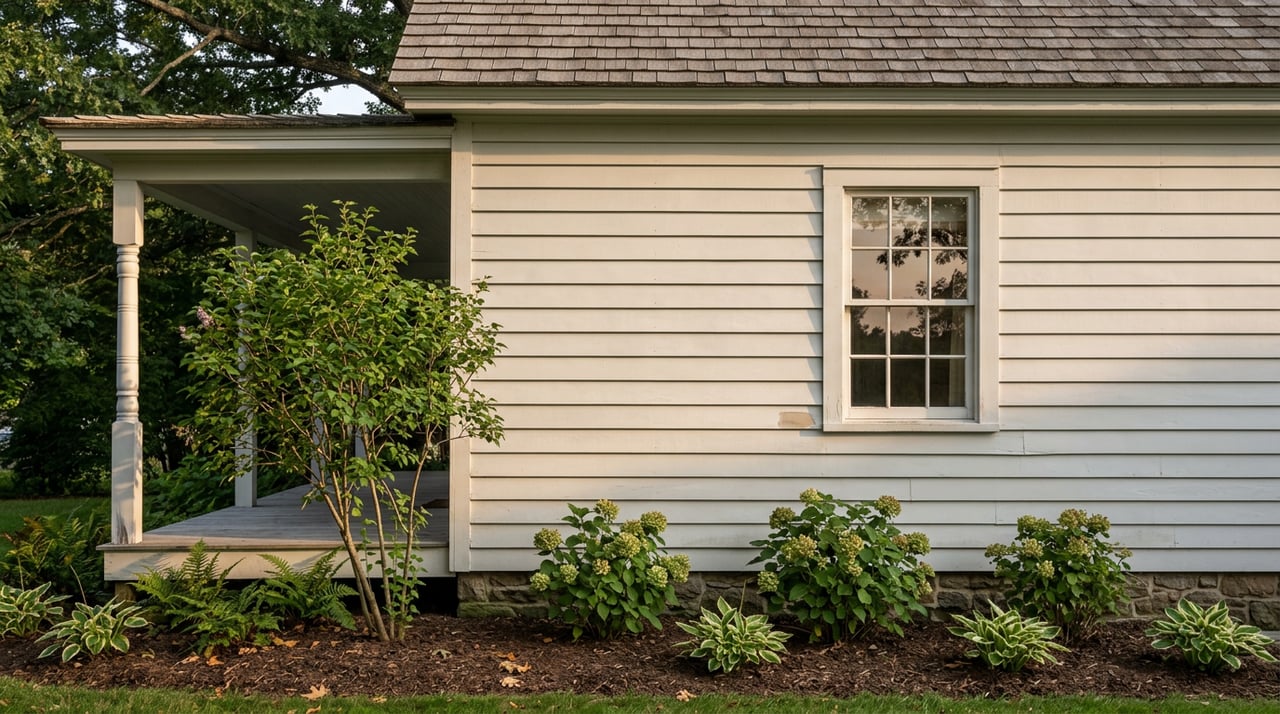
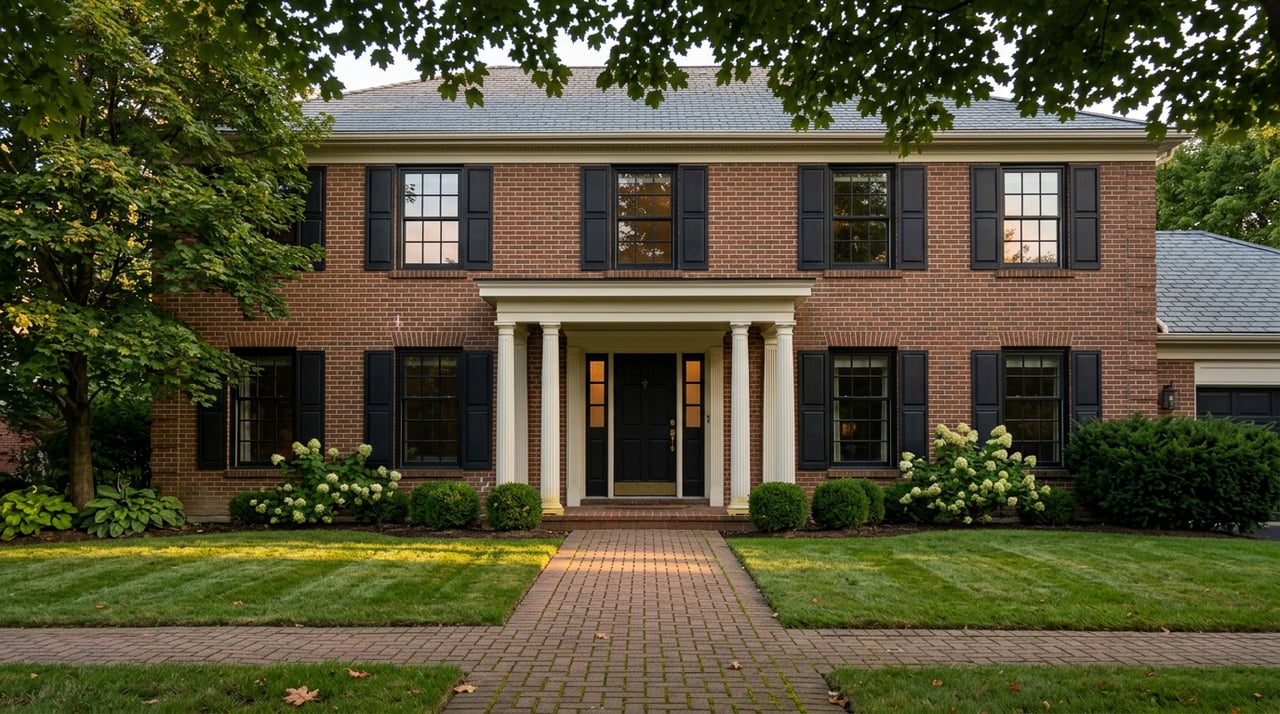
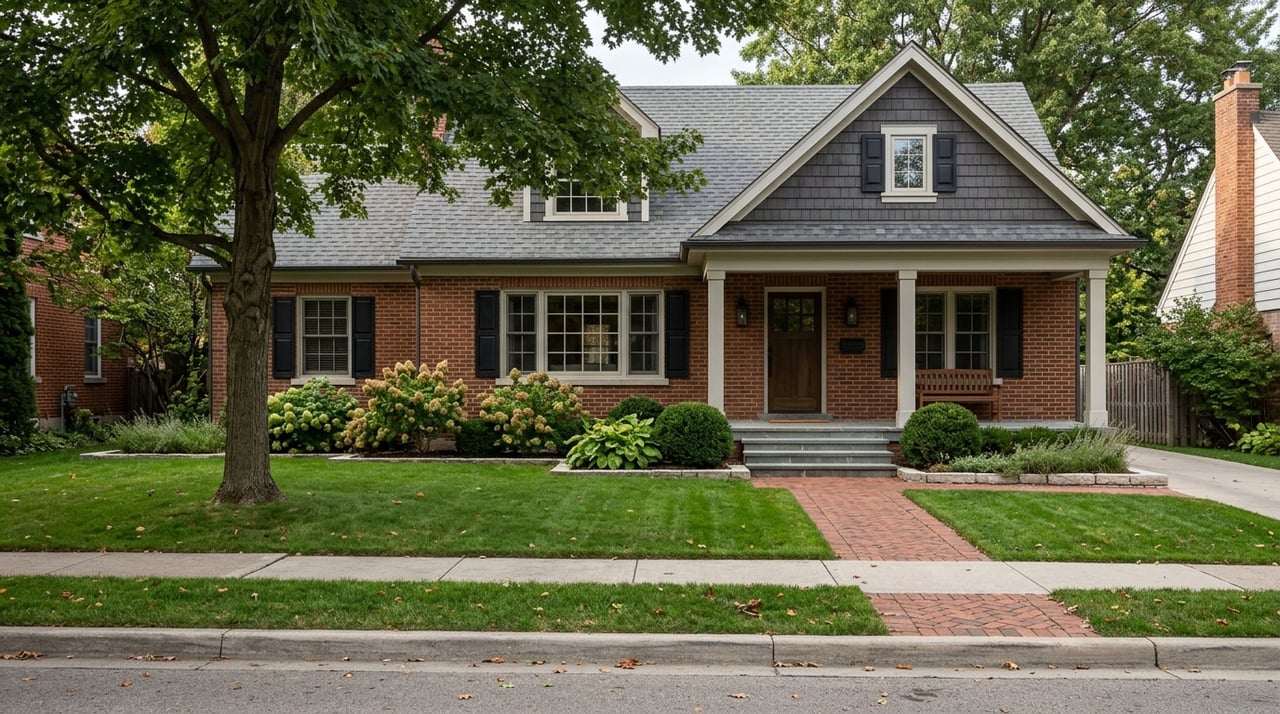
One of Old Oakville’s biggest strengths is that it does not feel overly uniform. The Town describes a layered housing stock that includes early vernacular homes, 19th-century lakeside cottages, and turn-of-the-century luxury houses and churches. Architectural styles in the district include Georgian, Neo-Classical, Victorian, and Classical Revival.
A 2025 Town update on heritage guidelines notes that 19th-century vernacular buildings are the most common style in the area. Most residential buildings are one-and-a-half or two storeys, which helps preserve the low-density, harbourside village character that defines Old Oakville.
For buyers, this means you will find a neighbourhood with visual variety and a strong sense of scale. For sellers, it means your property is often part of a broader streetscape story, which can be an important part of how your home is positioned and presented.
Renovating in a heritage area
If you love the idea of Old Oakville but also want to update or expand a home, it is important to understand the local framework. The Town’s updated guidelines place stronger emphasis on conserving landscape and views, protecting mature trees, and ensuring that additions or new construction fit the scale and massing of the district.
For designated heritage properties, exterior changes require a heritage permit. The Town also encourages owners to review the relevant district plan before starting renovations. That does not mean change is off the table. It means thoughtful planning matters, especially in a neighbourhood where character and setting are part of long-term value.
Harbourfront living in real life
Old Oakville’s lifestyle is shaped by the water. The neighbourhood grew around the harbour at the mouth of Sixteen Mile Creek, and by the early 1900s the harbour had shifted from industrial shipping to recreation. Today, Town planning continues to prioritize public access to the water’s edge, walkability, and stronger connections between the harbour, nearby parks, businesses, and surrounding residential streets.
That planning focus helps explain why the waterfront feels so woven into everyday life. This is not just a place you visit once in a while. It is a place where a walk by the harbour, a stop downtown, or time in the park can become part of your regular routine.
Parks, trails, and open space
For many people, one of the most appealing parts of Old Oakville is how easily you can reach the lake and surrounding green space. Lakeside Park sits on Lake Ontario in downtown Oakville and includes the Old Post Office and Thomas House. The district also includes Dingle Park, Market Square, George Street Parkette, and other waterfront open spaces.
The waterfront is also continuing to evolve. The Town notes that work on the Oakville Harbour west shore is adding trails, lighting, seating, landscaping, and more continuous connections through Shipyard Park. For residents, that supports a lifestyle that feels walkable, scenic, and active without needing to leave the neighbourhood.
A walkable downtown core
Old Oakville benefits from being directly tied to Downtown Oakville, which the Town identifies as the historic business and commercial area next to the harbour. It serves as both a community hub and a destination for residents and visitors. The Town’s lifestyle materials describe it as an upscale lakeside shopping district with six blocks of shops, restaurants, and specialty services.
That mix is part of what makes the area so practical as well as picturesque. You can enjoy the charm of a historic neighbourhood while still having convenient access to dining, errands, services, and everyday amenities nearby.
Culture and community connections
Downtown Oakville is also positioned as the cultural, social, and economic heart of the community. One example is the planned Downtown Cultural Hub, which includes a new Oakville Public Library Central Branch at 193 Church Street.
Projects like this matter because they reinforce what Old Oakville already does well. The area is not frozen in time. It continues to evolve in ways that support public life, community gathering, and long-term livability.
Getting around from Old Oakville
While Old Oakville is known for its walkability, regional access is another practical advantage. Oakville GO at 214 Cross Ave offers GO Transit service, Oakville Transit connections, and VIA Rail access, along with staffed hours and free customer parking.
For buyers balancing lifestyle with commute needs, that can be a meaningful benefit. You get the feel of a compact lakefront neighbourhood while still having a strong regional rail option within Oakville.
Who Old Oakville may suit best
Old Oakville tends to appeal to buyers who want more than square footage alone. If you value architecture, walkability, waterfront access, and a neighbourhood with a clearly defined identity, this area has a lot to offer.
It can also suit different stages of life. Some buyers are drawn to custom or high-end detached homes. Others are looking for a character property, a move-up home in a prestigious setting, or a residence that places them close to the lake and downtown amenities. The common thread is usually the same: you want a home in a location that feels established, connected, and enduring.
What sellers should know
If you are selling in Old Oakville, context matters. Buyers are often looking not just at the house itself, but also at its architectural style, lot setting, proximity to the waterfront, and relationship to the broader heritage streetscape.
That means thoughtful positioning is especially important here. A strong sale often depends on clear storytelling, polished presentation, and a strategy that highlights both the property and the lifestyle that surrounds it. In a neighbourhood as nuanced as Old Oakville, local knowledge can make a meaningful difference.
The lasting appeal of Old Oakville
Old Oakville offers a rare combination of historic charm and harbourfront living. Its identity is shaped by early town planning, preserved architecture, waterfront parks, a walkable downtown, and ongoing investment in public spaces and cultural amenities. That blend gives the neighbourhood a sense of place that feels both elegant and lived-in.
If you are considering a move in or around Old Oakville, working with a team that understands the area’s housing mix, heritage context, and buyer expectations can help you move forward with clarity. To explore your options with local insight and thoughtful guidance, connect with the Josh Bernard Team.
FAQs
What is Old Oakville known for?
- Old Oakville is known for its historic harbourfront setting, heritage homes, walkable downtown, waterfront parks, and strong connection to Oakville Harbour and Lake Ontario.
Where are the boundaries of Old Oakville?
- The Old Oakville Heritage Conservation District runs south of Robinson Street to the lakefront, from Sixteen Mile Creek in the west to Allan Street in the east.
What types of homes are found in Old Oakville?
- Old Oakville includes early vernacular homes, 19th-century lakeside cottages, and turn-of-the-century luxury houses, with styles such as Georgian, Neo-Classical, Victorian, and Classical Revival.
Do heritage rules affect renovations in Old Oakville?
- Yes. For designated heritage properties, exterior changes require a heritage permit, and the Town encourages owners to review the district plan and heritage guidelines before renovating.
What is daily life like in Old Oakville?
- Daily life in Old Oakville often includes walkable access to downtown shops and restaurants, time by the harbour or lake, and easy use of parks, trails, and public open spaces.
Is Old Oakville convenient for commuting?
- Yes. In addition to local walkability, Oakville GO provides regional rail access along with Oakville Transit and VIA Rail connections.