If you want a home that feels connected to the lake, the village, and your daily routine, Bronte deserves a closer look. Condo and townhome living here offers a different pace from more tower-focused or spread-out suburban areas, with a setting shaped by the harbour, walkable streets, and low-rise development. If you are weighing your next move in Oakville, this guide will help you understand what attached living in Bronte really looks like and what to check before you buy. Let’s dive in.
Why Bronte Stands Out
Bronte is not just another pocket of Oakville with attached housing. According to Town of Oakville planning direction, Bronte Village is intended to remain a mixed-use, village-scaled area with a thriving commercial core, a variety of housing options, and a strong pedestrian experience.
That matters if you are buying a condo or townhome. In practical terms, it means your home may be part of a neighbourhood designed around walkability, local services, waterfront access, and year-round activity rather than a purely residential subdivision pattern.
What the Bronte Setting Feels Like
Bronte Village sits where Bronte Creek meets Lake Ontario. The area is known for its historic lakeside identity, and the Town continues to frame it as a community with a village character centered around Lakeshore Road West and Bronte Road.
For you as a buyer, that setting shapes everyday life. A quick walk to the waterfront, a stroll through the main street area, or easier access to public gathering spaces can become part of your routine instead of something reserved for weekends.
What Condo and Townhome Options Look Like
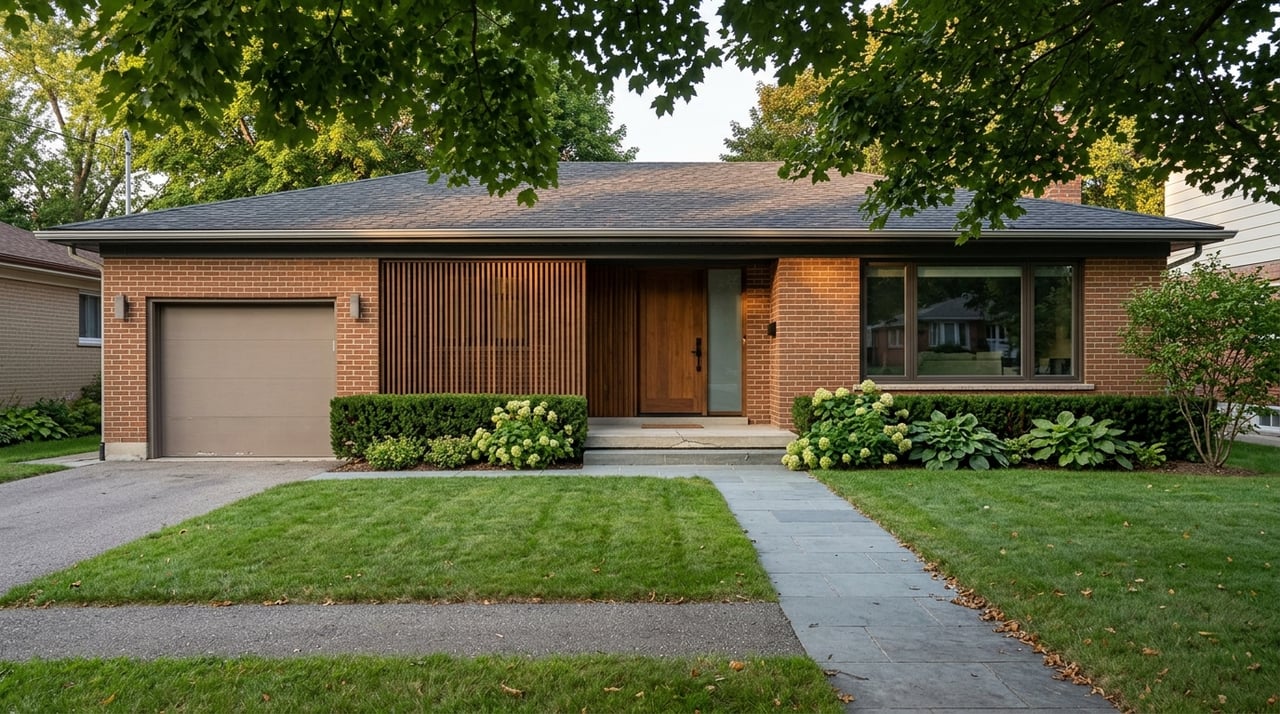
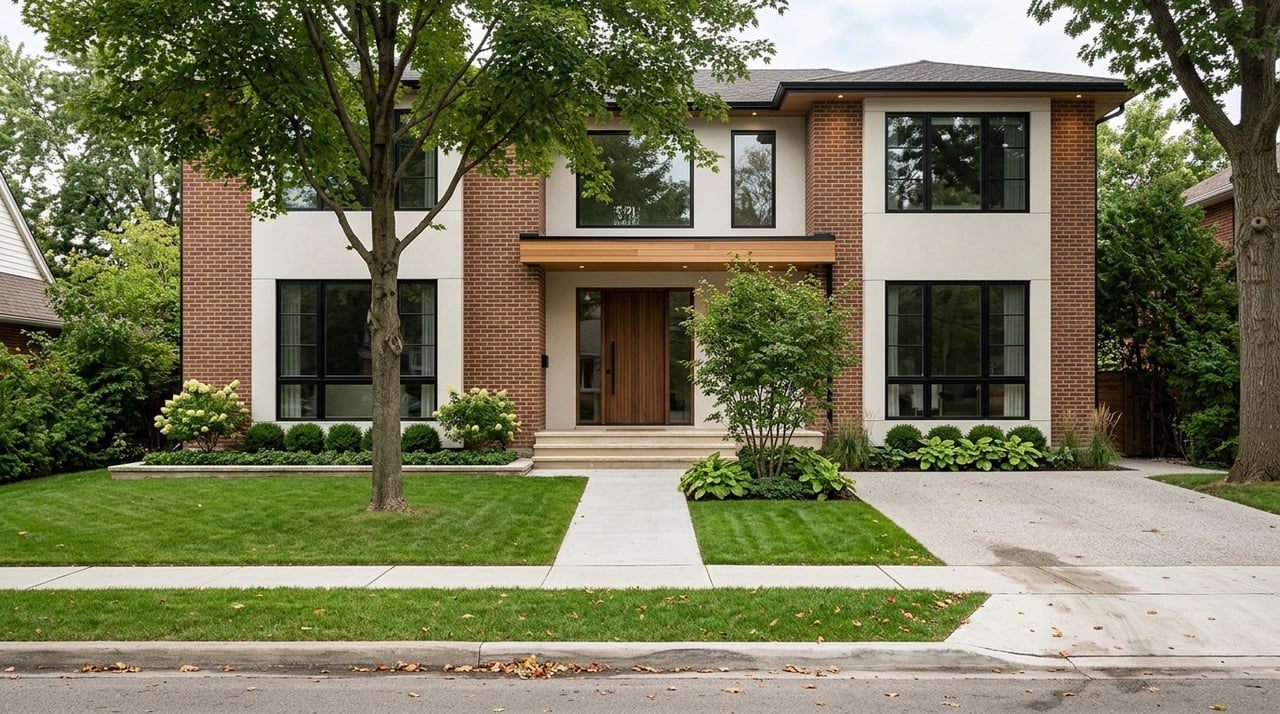
Bronte's attached housing stock is generally low-rise and village-scaled. Oakville's official planning documents emphasize a pedestrian-oriented built form with sensitive transitions in height and massing, and local study materials describe areas like Marine Drive as having a residential character with low-rise apartments, townhouses, and houses.
This is one of the biggest differences between Bronte and more tower-heavy markets. If you are drawn to a smaller-scale streetscape and a less vertical feel, Bronte may be a strong fit.
Expect Variety Within Low-Rise Living
Even within the low-rise format, there is still a wide range of housing types. Recent and approved local projects include mixed-use mid-rise buildings, low-rise apartment forms, dual-frontage and back-to-back townhouses, and stacked townhouse blocks.
That means “condo or townhome in Bronte” is not one single product. One property may feel more urban and mixed-use, while another may feel more residential and tucked into a quieter streetscape.
Ownership Structure Matters
This is where many buyers need to slow down and ask better questions. In Ontario, condo ownership can include standard condominium corporations, common-elements corporations, and other freehold condo forms.
Shared elements can include roads, parks, or recreational spaces, and that can affect both your monthly costs and your maintenance responsibilities. Two townhomes in Bronte may look similar at first glance but operate very differently once you review the ownership structure.
The Lifestyle Appeal of Bronte Living
For many buyers, Bronte's biggest draw is simple: location quality. The waterfront, harbour activity, village-style commercial area, and access to transit create a lifestyle that feels connected and practical.
If you want a home that supports both leisure and routine, Bronte offers a compelling mix. You are not choosing only a floor plan here. You are also choosing how you want your day-to-day life to function.
Waterfront Access and Harbour Energy
Bronte Harbour supports boating and fishing activity, and the Town's current waterfront planning work is focused on year-round activation, improved wayfinding, stronger connections, and better public gathering spaces. That ongoing focus reinforces the area's identity as a waterfront community, not just a place with nearby lake views.
For condo and townhome owners, that can add real lifestyle value. The public realm around your home often plays an outsized role when you live in attached housing, and Bronte's waterfront setting is a major part of that equation.
Walkability Around the Village Core
Bronte's main-street character also matters. Local streetscape planning is focused on features like trees, paving, lighting, public art, street furniture, and wayfinding, all of which support the pedestrian experience around the village.
If you are comparing neighbourhoods, this is an important point. A walkable area is shaped not just by distance, but by how comfortable, connected, and pleasant that walk feels.
Transit and Commuter Convenience
Bronte also offers practical commuter appeal. Planning around Bronte GO identifies the area as a major transit station area intended to support a complete, transit-oriented community, and GO Transit lists local transit connections, bike racks, and free customer parking at the station.
If your work or lifestyle takes you beyond Oakville, this can be a meaningful advantage. You may be able to balance a lake-oriented neighbourhood feel with access to broader regional travel.
What to Review Before You Buy
A great location does not replace due diligence. When you are buying a condo or townhome in Bronte, some of the most important details are not visible during a showing.
Your focus should be on how the property is governed, what your fees cover, and what future costs may look like. This is where careful review protects both your budget and your peace of mind.
Understand Common Expense Fees
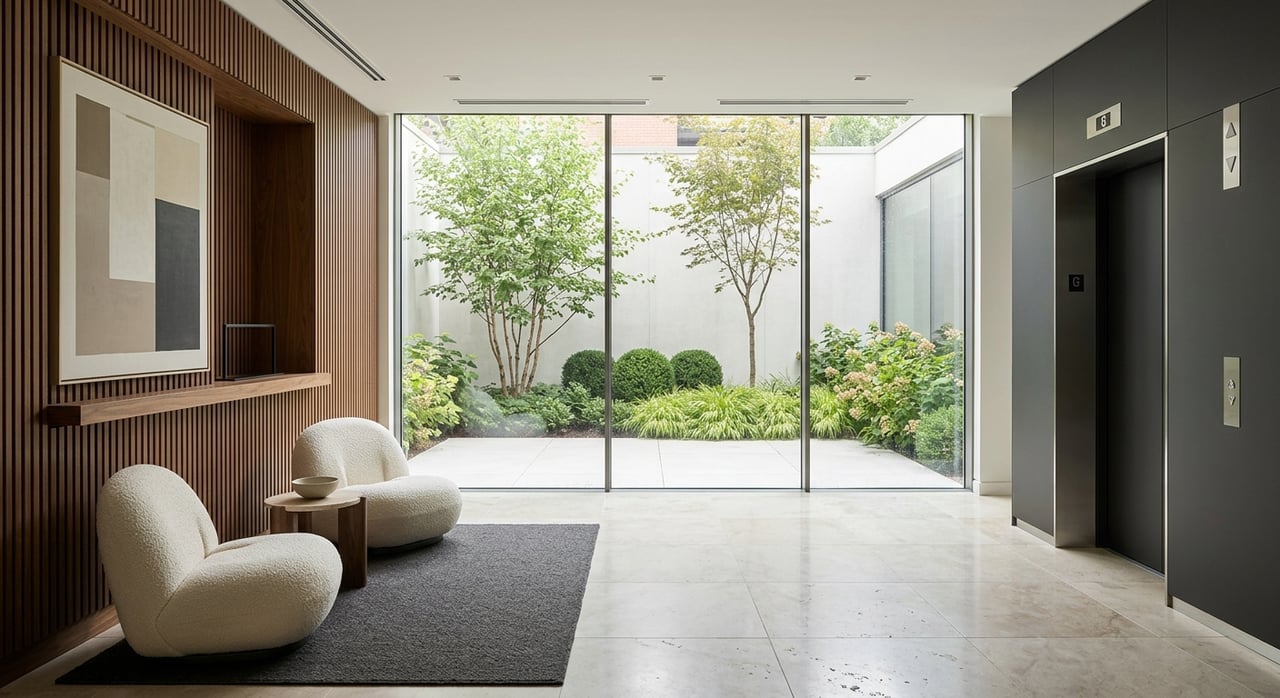
In Ontario, condo fees are commonly called common expense fees. These fees typically help cover common-element maintenance, reserve fund contributions, cleaning, building maintenance, management services, and shared amenities where they exist, such as lobbies, elevators, parking garages, recreation spaces, or security.
You pay these fees whether or not you use every amenity. That is why it is important to look beyond the monthly number and understand exactly what is included.
Review the Reserve Fund
The reserve fund is the condominium corporation's savings pool for major repairs and replacements. Reviewing the reserve fund study can help you understand whether the corporation appears prepared for future capital needs.
This matters because common expense fees can change over time, and special assessments may be added if there is a shortfall or a major unexpected cost. A well-located property still needs sound financial planning behind it.
Read the Core Condo Documents
Before buying a resale condo, Ontario's Condominium Authority recommends reviewing the status certificate, declaration, by-laws, and rules. These documents explain important details like each owner's share of common expenses, repair responsibilities, restrictions, and possible chargebacks.
For townhomes especially, this step is critical. The exterior may feel more like freehold living, but the documents may show a very different set of obligations than you expected.
How Bronte Differs From Other Oakville Areas
Bronte's appeal comes from a specific planning vision. The Town's policy direction emphasizes protecting the historic lakeside village character, maintaining low-rise and pedestrian-oriented form, preserving heritage resources, and creating sensitive transitions between uses and building heights.
That gives Bronte a different rhythm than areas defined more by broad suburban blocks or larger concentrations of high-rise housing. If you want attached living with a more compact, lakeside village feel, Bronte stands apart.
Who Bronte Condo and Townhome Living Suits Best
Bronte can work well for different types of buyers, especially when lifestyle is a major part of the decision. You might be a first-time buyer who wants ownership in a walkable area, a move-up buyer who wants lower-maintenance living, or a downsizer looking for a home base near the water.
The key is to match the property type to your priorities. Some buyers will care most about walkability and village energy, while others will focus on fee structure, parking, layout, or transit access.
A Smart Way to Evaluate Your Options
If you are comparing condo and townhome opportunities in Bronte, it helps to assess each one through a few practical lenses:
- Location within Bronte: How close are you to the village core, harbour, waterfront, or GO access?
- Building or project type: Is it a low-rise condo, stacked townhouse, dual-frontage townhome, or another format?
- Ownership structure: Is it a standard condo, common-elements condo, or another arrangement?
- Monthly costs: What do the common expense fees cover, and what do they not cover?
- Document review: What do the status certificate, rules, and by-laws reveal?
- Lifestyle fit: Does the property support how you actually want to live day to day?
When you look at Bronte through that lens, the market becomes much easier to understand. You move from broad impressions to a clearer picture of value, suitability, and long-term comfort.
Bronte offers a thoughtful version of condo and townhome living in Oakville: low-rise in character, connected to the waterfront, and shaped by a walkable village setting. If you want a home that blends lifestyle appeal with practical access to shops, transit, and the lake, this neighbourhood is worth serious consideration. If you are ready to explore Bronte with clear guidance and a local perspective, connect with the Josh Bernard Team.
FAQs
What makes condo and townhome living in Bronte different from other Oakville areas?
- Bronte is shaped by a lakeside village planning vision that emphasizes low-rise, pedestrian-oriented development, a mixed-use commercial core, and strong waterfront connections.
What types of condos and townhomes can you find in Bronte, Oakville?
- Bronte includes a mix of low-rise apartments, townhouses, stacked townhomes, back-to-back formats, and mixed-use mid-rise buildings rather than a predominantly tower-based housing stock.
What should you review before buying a condo in Bronte?
- You should review the status certificate, declaration, by-laws, rules, reserve fund information, and details about common expense fees and repair responsibilities.
What do condo fees usually cover in Bronte condo communities?
- Common expense fees often help cover common-element maintenance, reserve fund contributions, cleaning, building maintenance, management services, and shared amenities where they exist.
Is Bronte a good option for commuters who want condo or townhome living?
- Bronte offers commuter value through access to Bronte GO, which includes local transit connections, bike racks, and free customer parking, while still offering a waterfront and village-style setting.